
Introduction
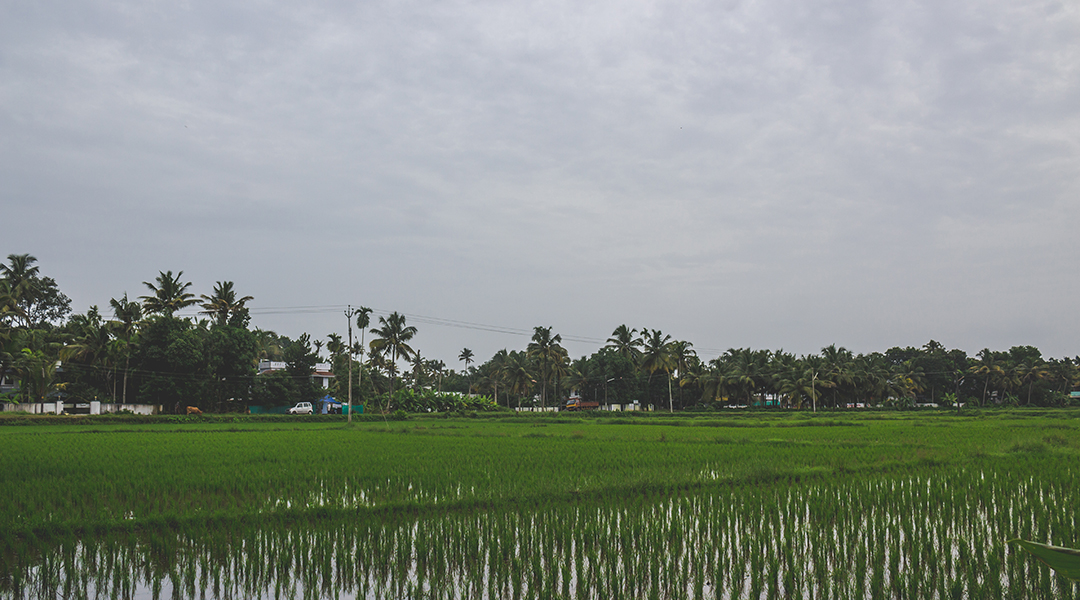
The rainy season is one of the most challenging periods for farmers. Although water becomes abundant, excessive rainfall can lead to flooding, fungal diseases, nutrient loss, and plant stress. If not managed properly, crop failure becomes a real threat.
However, with the right planning and field management, the rainy season can actually boost crop growth and increase productivity.
1. Major Challenges of Farming in the Rainy Season
a. Excess Water (Overwatering)
Heavy rain causes waterlogging, which reduces oxygen in the soil and damages plant roots.
b. Flood Risk
Lowland farms and poorly drained fields are highly vulnerable to flooding, especially for young crops.
c. Fungal & Bacterial Diseases
High humidity creates the perfect environment for pathogens such as:
-
Phytophthora
-
Fusarium
-
Leaf blight
-
Root rot diseases
d. Increase in Pest Populations
Pests like snails, leaf-eating caterpillars, and aphids often multiply quickly during rainy periods.
e. Nutrient Leaching
Heavy rainfall can wash away essential nutrients—especially nitrogen—leading to poor plant growth.
2. Best Crops to Grow During the Rainy Season
Some crops are naturally more tolerant of wet conditions. These include:
-
Rice
-
Corn
-
Cassava
-
Peanuts
-
Banana
-
Papaya
-
Leafy vegetables (spinach, water spinach, mustard greens)
Choosing the right crop can greatly reduce the risk of failure.
3. How to Protect Your Crops from Excess Rainfall
a. Build Proper Drainage Channels
Shallow ditches between beds help water flow out quickly and prevent waterlogging.
b. Use Raised Beds
Ideal for tomatoes, chilies, onions, and other crops prone to root diseases.
c. Apply Mulch
Organic or plastic mulch reduces erosion, stabilizes soil moisture, and protects the root zone.
d. Split Fertilizer Application
Applying fertilizer in smaller portions prevents nutrient loss due to heavy rain.
e. Use Organic Anti-Fungal Sprays
Garlic extract, lemongrass, or baking soda solutions help protect plants from fungal outbreaks.
4. Effective Field Management Strategies for the Rainy Season
a. Improve Soil Structure
Soils with better aeration (sandy-loam or humus-rich soils) drain water more effectively.
b. Plant Water-Absorbing Vegetation
Vetiver grass, Napier grass, or banana plants can help absorb excess water around the garden.
c. Use Rain Shelters or Plastic Tunnels
Perfect for high-value crops such as chili, tomato, melon, and strawberries.
d. Practice Crop Rotation
Rotating crops helps break disease cycles that often spread during wet conditions.
5. Benefits of the Rainy Season for Farming
Despite the risks, the rainy season also brings several advantages:
-
Reduced irrigation costs
-
Faster plant growth
-
Improved soil fertility
-
Potential for higher yields if well-managed
The key is balancing the water supply with good drainage and disease prevention.
Conclusion
Farming during the rainy season requires extra attention, especially in water management, disease control, and crop selection. With the right strategies—such as proper drainage, raised beds, and timely fertilization—farmers can maintain productivity and even achieve higher yields.
The rainy season doesn’t have to be a threat—it can be a powerful opportunity when managed with the right techniques.
Buy the Best machines at Istana Machineries
We understand your need for practical, economical, and durable machines. That’s why every product we offer has passed strict quality selection.
🔍 View all our products here:
👉 https://istanamachineries.com/produk
📞 Consult directly with our team:
Get the best machine recommendation for your specific needs.