
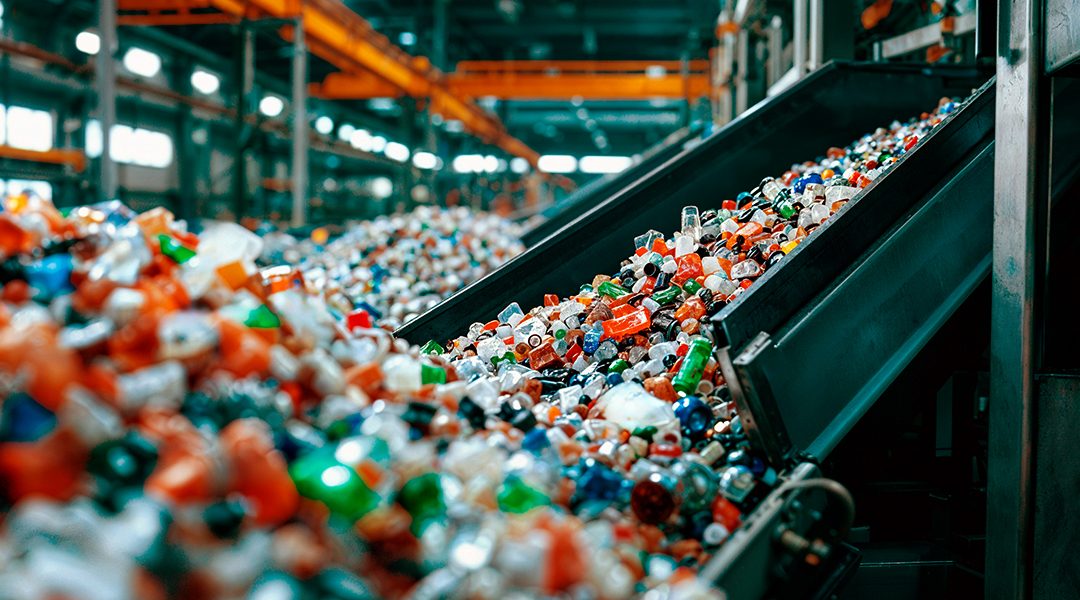
Recently, many industries have begun experiencing rising plastic prices, which are affecting production costs across multiple sectors. Plastic is one of the most widely used materials in modern manufacturing, including packaging, agriculture, automotive components, electronics, and consumer goods.
As a result, fluctuations in plastic prices can significantly influence the cost structure of various industries. Understanding the factors behind the increase in plastic prices is essential for businesses and manufacturers that rely heavily on plastic materials.
1. Rising Global Oil Prices
One of the primary factors behind increasing plastic prices is the rise in global crude oil prices. Most plastics are derived from petroleum-based petrochemicals, meaning that oil price fluctuations directly impact plastic production costs.
When oil prices increase, the cost of producing plastic materials such as polymers and resins also rises. Consequently, plastic manufacturers often raise their selling prices to maintain profitability.
In addition, geopolitical tensions and energy supply uncertainties frequently contribute to oil price volatility, which further influences plastic market prices worldwide.
2. Increasing Plastic Resin Costs
Plastic production relies heavily on resin materials, which serve as the primary raw materials for manufacturing various plastic products.
Common plastic resins include:
- polyethylene (PE)
- polypropylene (PP)
- polyvinyl chloride (PVC)
- polystyrene (PS)
The prices of these resins depend on global petrochemical market conditions. When supply becomes limited or demand rises sharply, resin prices tend to increase.
Additionally, production disruptions at petrochemical plants, maintenance shutdowns, or reduced refinery outputs can restrict resin supply, leading to higher market prices.
3. Global Supply Chain Disruptions
Another major factor contributing to rising plastic prices is global supply chain disruption.
Several logistics challenges can impact the availability of plastic raw materials, including:
- shipping delays
- increased transportation costs
- port congestion
- geopolitical conflicts affecting trade routes
When transportation costs rise or supply becomes less reliable, manufacturers must absorb higher costs, which ultimately translate into higher plastic prices.
4. Increasing Demand from Multiple Industries
Global demand for plastic materials continues to grow as many industries rely on plastic components and packaging.
Key sectors driving plastic demand include:
- food and beverage packaging
- agriculture (plastic mulch, irrigation pipes, greenhouse materials)
- automotive manufacturing
- electronics production
- consumer goods packaging
When industrial demand increases faster than production capacity, market prices for plastic materials tend to rise.
5. Environmental Policies and Plastic Regulations
Environmental policies and regulations related to plastic production and waste management are also influencing plastic prices.
Many countries are implementing stricter regulations aimed at reducing plastic pollution and promoting sustainable materials. While these policies are beneficial for environmental protection, they may increase production costs in the short term.
For example, manufacturers may need to:
- invest in cleaner production technologies
- improve waste management systems
- develop recyclable or biodegradable materials
These additional costs can contribute to higher market prices for plastic products.
Impact of Rising Plastic Prices on Various Industries
The increase in plastic prices affects a wide range of industries that depend on plastic materials for production.
Some of the most affected sectors include:
Packaging Industry
Food and beverage companies rely heavily on plastic packaging, so rising plastic prices can increase packaging costs.
Agricultural Sector
Farmers use plastic products such as mulch film, irrigation pipes, and greenhouse coverings. Higher plastic prices can increase farming costs.
Manufacturing Industry
Many consumer goods, household appliances, and automotive components contain plastic parts, making production more expensive when plastic prices rise.
If plastic costs continue to increase, companies may pass these additional expenses on to consumers through higher product prices.
Future Outlook for Plastic Prices
Industry analysts suggest that plastic prices will continue to be influenced by several major factors, including:
- global oil price trends
- petrochemical production capacity
- international supply chain stability
- environmental regulations and sustainability initiatives
If energy prices stabilize and production capacity increases, plastic prices may return to more stable levels. However, ongoing geopolitical tensions and supply chain disruptions could continue to create price volatility in the global plastic market.
Conclusion
The recent rise in plastic prices is driven by multiple factors, including higher oil prices, increased resin costs, supply chain disruptions, and growing industrial demand.
Because plastic is a critical material used across numerous industries, changes in plastic prices can significantly affect manufacturing costs and consumer product prices.
Therefore, businesses and manufacturers may need to explore strategies such as improving material efficiency, optimizing supply chains, and developing alternative materials to mitigate the impact of plastic price volatility in the future.