
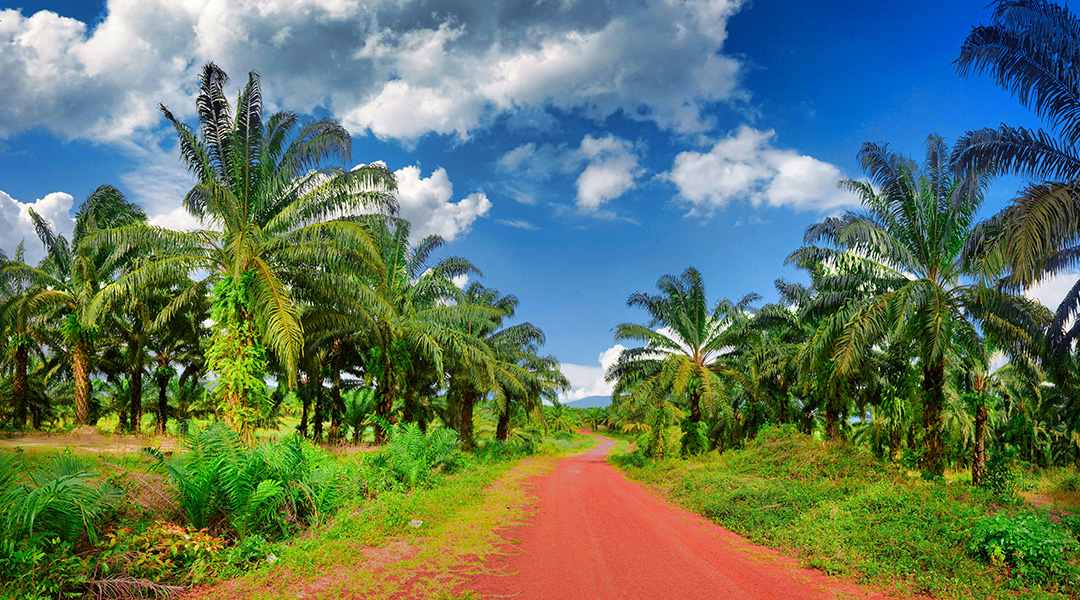
Indonesia is the world’s largest palm oil producer, with many cities and regencies relying heavily on palm oil plantations as the backbone of their local economies. Several regions stand out as key production hubs, contributing massive volumes of Fresh Fruit Bunches (FFB) and Crude Palm Oil (CPO) to both domestic and global markets.
Below are the five largest palm oil producing cities/regencies in Indonesia, recognized for their plantation scale, productivity, and strategic role in the national palm oil industry.
1. Rokan Hulu Regency – Riau Province
Rokan Hulu is widely regarded as one of the largest palm oil producing regions in Indonesia. Palm oil plantations dominate the local economy, managed by large private companies, cooperatives, and independent smallholders.
The regency supplies FFB to dozens of palm oil mills across Riau, making it a major contributor to Indonesia’s CPO output.
Why it stands out:
-
Vast plantation area
-
Strong smallholder participation
-
Well-developed palm oil processing infrastructure
2. Musi Banyuasin Regency – South Sumatra
Musi Banyuasin (commonly known as Muba) is the leading palm oil producing regency in South Sumatra. The region benefits from large-scale plantations and integrated palm oil operations from upstream plantations to downstream processing.
Palm oil plays a central role in driving economic growth and employment in the region.
Why it stands out:
-
High CPO production capacity
-
Presence of major plantation companies
-
Strong industrial and logistics support
3. Ketapang Regency – West Kalimantan
Ketapang is the largest regency in West Kalimantan and a major center for palm oil plantation expansion. The palm oil sector is the dominant economic driver, particularly in rural and inland areas.
Its large land availability allows for sustained plantation development and long-term production growth.
Why it stands out:
-
Extensive and productive land
-
Large-scale commercial plantations
-
Significant contribution to regional GDP
4. East Kotawaringin Regency – Central Kalimantan
East Kotawaringin (Kotim) is one of the top palm oil producers in Central Kalimantan. Many plantations in this area are directly integrated with palm oil mills, enabling efficient harvesting, processing, and distribution.
The regency serves as an important distribution point for CPO to other regions.
Why it stands out:
-
Integrated plantation and milling systems
-
High productivity levels
-
Strategic logistics routes
5. Labuhan Batu Regency – North Sumatra
Labuhan Batu has a long-standing history in Indonesia’s palm oil industry. The regency is known for stable yields and well-established plantation management practices.
Palm oil remains the primary economic pillar supporting local livelihoods and regional development.
Why it stands out:
-
Mature and productive plantations
-
Long-established palm oil operations
-
Access to export ports and trade routes
The Economic Importance of Palm Oil Producing Regions
These palm oil producing cities and regencies contribute significantly to:
-
Indonesia’s total CPO production
-
Export revenues and foreign exchange earnings
-
Rural employment and income generation
-
Growth of downstream palm oil industries
However, sustainability, land governance, and environmental responsibility remain critical challenges for the industry moving forward.
Conclusion
The five cities and regencies highlighted above represent the core of Indonesia’s palm oil production network. Through improved productivity, technological adoption, and sustainable plantation practices, these regions will continue to play a vital role in strengthening Indonesia’s position in the global palm oil market.
Buy the Best machines at Istana Machineries
We understand your need for practical, economical, and durable machines. That’s why every product we offer has passed strict quality selection.
🔍 View all our products here:
👉 https://istanamachineries.com/produk
📞 Consult directly with our team:
Get the best machine recommendation for your specific needs.