
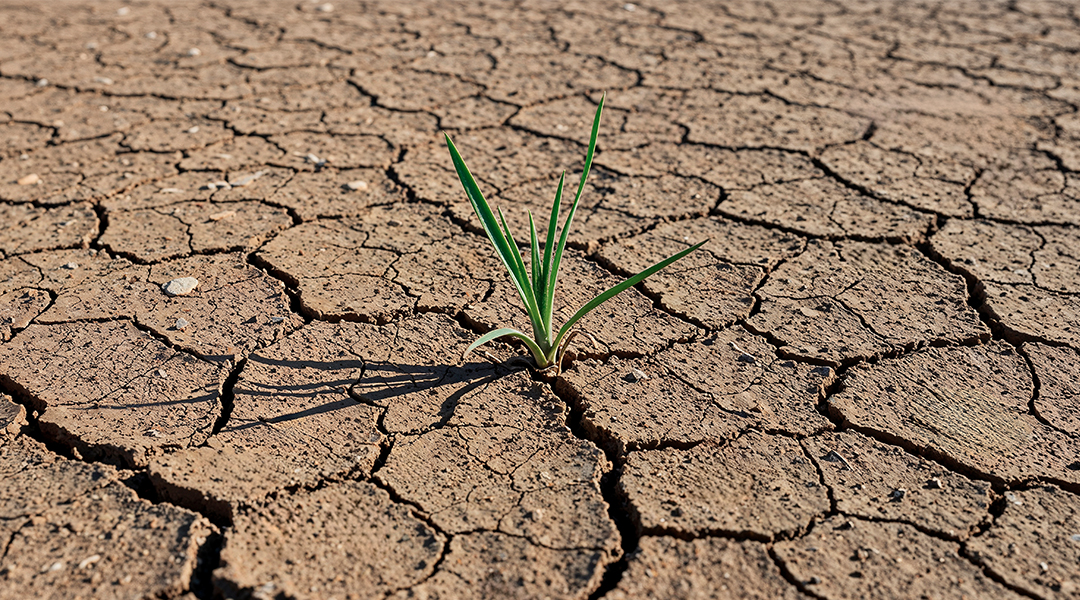
How to Overcome El Niño Drought in Agriculture: Practical Strategies for Farmers
The El Niño climate phenomenon often presents serious challenges for agriculture in many tropical countries, including Indonesia. When El Niño occurs, rainfall levels typically decrease significantly, leading to prolonged drought that directly affects crop production.
As a result, farmers may face various risks such as reduced yields, crop failure, and increased production costs. Therefore, understanding effective ways of overcoming El Niño drought in agriculture is essential to maintaining stable food production.
This article explores the impact of El Niño on agriculture and highlights several practical strategies farmers can adopt to reduce drought-related risks.
What Is El Niño and Why Does It Affect Agriculture?
El Niño is a global climate phenomenon caused by the warming of sea surface temperatures in the central and eastern Pacific Ocean. This warming disrupts atmospheric circulation patterns, which in turn affects rainfall distribution around the world.
In Indonesia and many other regions, El Niño typically leads to:
-
reduced rainfall
-
longer dry seasons
-
higher air temperatures
-
limited groundwater availability
These conditions can significantly affect irrigation systems, crop growth, and overall agricultural productivity.
Impact of El Niño Drought on the Agricultural Sector
1. Reduced Crop Production
Drought conditions limit the availability of water required for plant growth and photosynthesis. Major crops such as rice, corn, and soybeans are particularly sensitive to water shortages.
If drought conditions persist, crop yields may decline significantly, affecting both farmers’ incomes and national food supply.
2. Higher Risk of Crop Failure
Water shortages during critical growth stages such as flowering or grain filling can lead to crop failure. This situation poses serious economic risks for farmers who rely heavily on seasonal harvests.
3. Increased Production Costs
Farmers often need to spend more on irrigation and water management during drought periods.
Additional costs may include:
-
water pumps
-
fuel for irrigation systems
-
drilling wells or accessing alternative water sources
-
building temporary irrigation infrastructure
These expenses increase overall production costs while harvest outcomes remain uncertain.
Effective Strategies to Overcome El Niño Drought in Agriculture
To reduce the negative impact of El Niño, farmers can implement several adaptive farming strategies.
1. Using Drought-Resistant Crop Varieties
One of the most effective approaches is planting crop varieties that are more tolerant to drought conditions.
Many agricultural research institutions have developed crop varieties designed to survive with limited water supply.
Benefits of drought-resistant crops include:
-
lower water requirements
-
improved resilience during dry seasons
-
reduced risk of crop failure
2. Implementing Water-Efficient Irrigation Systems
Efficient irrigation systems play a crucial role in managing water resources during drought periods.
Some commonly used techniques include:
-
drip irrigation
-
sprinkler irrigation
-
scheduled irrigation based on crop water needs
These methods help maximize water efficiency while minimizing waste.
3. Adjusting Planting Schedules
Changes in climate patterns caused by El Niño often require farmers to adjust their planting schedules.
By planting earlier or later based on climate forecasts, farmers can reduce the risk of crops experiencing severe drought during critical growth stages.
Weather forecasts and agricultural advisory services can help determine the most appropriate planting calendar.
4. Improving Soil Quality and Water Retention
Healthy soil with high organic matter content can retain water more effectively than degraded soil.
Farmers can improve soil moisture retention by:
-
applying organic fertilizers
-
using compost or manure
-
covering soil with mulch to reduce evaporation
These practices help maintain soil moisture for longer periods during dry conditions.
5. Crop Diversification
Planting a variety of crops can reduce economic risks during drought seasons.
Some crops are naturally more drought-tolerant, including:
-
sorghum
-
cassava
-
peanuts
-
certain horticultural crops
Diversifying crops helps farmers maintain productivity even when some crops are affected by drought.
The Role of Agricultural Technology and Mechanization
Modern agricultural technology can also help farmers adapt to drought conditions.
Innovations that support drought management include:
-
soil moisture sensors
-
automated irrigation systems
-
high-efficiency water pumps
-
modern agricultural machinery that improves farming efficiency
Agricultural mechanization helps farmers manage limited resources more effectively while maintaining productivity.
Conclusion
El Niño is a major climate challenge that can significantly affect agricultural production due to prolonged drought. However, its impact can be minimized through proper planning and adaptive farming practices.
Strategies such as planting drought-resistant crops, improving irrigation efficiency, adjusting planting schedules, enhancing soil quality, and diversifying crops can help farmers successfully overcome El Niño drought in agriculture.
By combining traditional farming knowledge with modern agricultural technology, farmers can maintain stable production even under challenging climate conditions.
Buy the Best machines at Istana Machineries
We understand your need for practical, economical, and durable machines. That’s why every product we offer has passed strict quality selection.
🔍 View all our products here:
👉 https://istanamachineries.com/produk
📞 Consult directly with our team:
Get the best machine recommendation for your specific needs.