
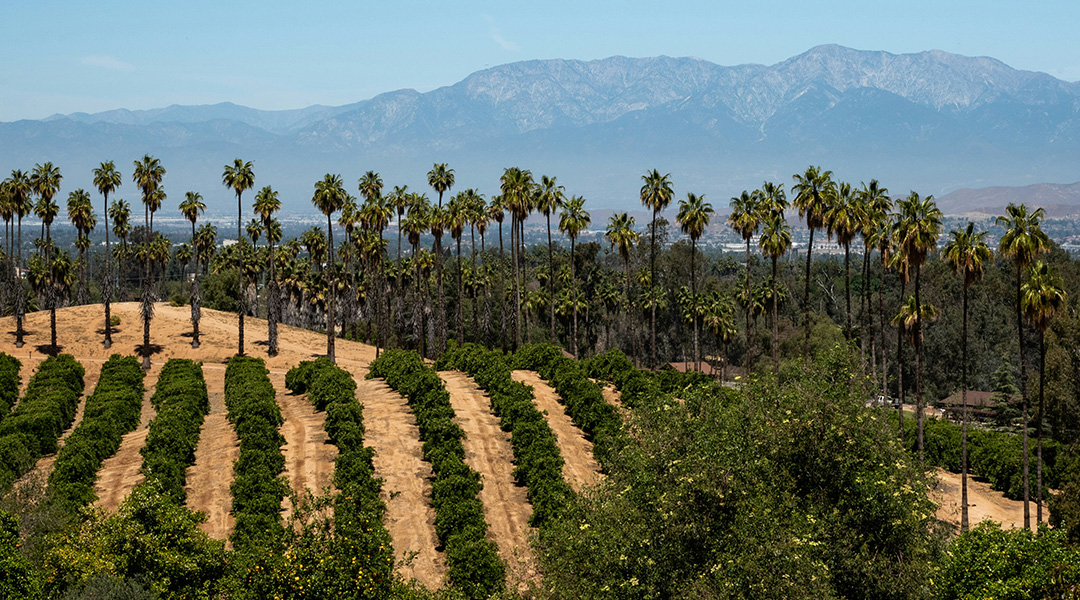
Indonesia Plans a Massive Palm Oil Plantation Takeover
In recent developments, Indonesia’s palm oil industry has once again come under intense global scrutiny. According to reports, the Indonesian government is preparing to take over up to 5 million hectares of palm oil plantations by 2026, marking a major escalation in its efforts to regulate the sector.
This plan follows earlier enforcement measures implemented between 2024 and 2025. As a result, the move is widely viewed as one of the most aggressive regulatory actions ever taken in Indonesia’s palm oil industry.
Illegal Palm Oil Plantations Become the Main Target
At the core of this policy is the government’s determination to address illegal palm oil plantations operating inside state forest areas. Specifically, these plantations are alleged to lack proper permits and legal land-use approvals.
Moreover, authorities argue that such practices have led to multiple long-standing issues, including:
-
Environmental degradation
-
Significant losses in state revenue
-
Weak governance in plantation management
-
Unfair competition within the palm oil industry
Previously, the government had already seized control of approximately 2 million hectares of illegal palm oil plantations. Consequently, these lands were transferred to state-managed entities rather than being abandoned.
Why This Decision Is Shaking the Palm Oil Industry
Indonesia is, without question, the world’s largest palm oil producer, playing a critical role in global crude palm oil (CPO) supply. Therefore, the potential takeover of an additional 5 million hectares represents a dramatic shift with far-reaching implications.
As a result, industry stakeholders have expressed growing concerns regarding:
-
Short-term disruptions to palm oil supply
-
Increased volatility in global CPO prices
-
Declining investor confidence
-
Long-term production uncertainty
Not surprisingly, this announcement has attracted close attention from international markets and policymakers alike.
Impact on Palm Oil Supply and Global Prices
In the short term, analysts suggest that the policy could introduce temporary uncertainty in palm oil production, particularly if the transition of land management is delayed or inefficient.
However, in contrast, the government maintains that the long-term benefits will outweigh the initial challenges. Specifically, the takeover is expected to:
-
Improve transparency and governance
-
Strengthen legal compliance
-
Promote sustainable palm oil practices
-
Maintain national production stability
Furthermore, officials have emphasized that seized plantations will remain operational, ensuring continuity rather than disruption.
What This Means for Companies and Smallholders
Importantly, the Indonesian government has clarified that plantation workers and smallholder farmers will not be displaced. Instead, plantation activities are expected to continue under new management frameworks while legal processes are completed.
Meanwhile, palm oil companies are being urged to:
-
Reassess land ownership and legality
-
Complete all required licensing procedures
-
Comply fully with environmental regulations
-
Adopt internationally recognized sustainability standards
Consequently, this policy sends a strong signal that operating without legal certainty is no longer acceptable.
Indonesia Sends a Clear Message to the Global Market
Beyond domestic reform, this enforcement action also serves a broader purpose. In particular, it reinforces Indonesia’s commitment to improving the global perception of its palm oil industry.
More specifically, the policy addresses international concerns related to:
-
Deforestation
-
Carbon emissions
-
Land governance
-
Sustainable agricultural practices
As a result, the government hopes to strengthen Indonesia’s position as a responsible and sustainable palm oil producer on the world stage.
Conclusion: A New Era for Indonesia’s Palm Oil Industry?
In conclusion, the plan to take over up to 5 million hectares of palm oil plantations marks a critical turning point for Indonesia’s plantation sector. Although the policy has sparked debate, it is widely regarded as a decisive step toward long-term reform.
Ultimately, the success of this initiative will depend on transparent implementation, professional land management, and continued protection for workers and smallholders.
Buy the Best machines at Istana Machineries
We understand your need for practical, economical, and durable machines. That’s why every product we offer has passed strict quality selection.
🔍 View all our products here:
👉 https://istanamachineries.com/produk
📞 Consult directly with our team:
Get the best machine recommendation for your specific needs.