
How Energy-Efficient Is an Electric Motor? Full Breakdown and Cost Analysis
1. What Is an Electric Motor and Why Is It Used?
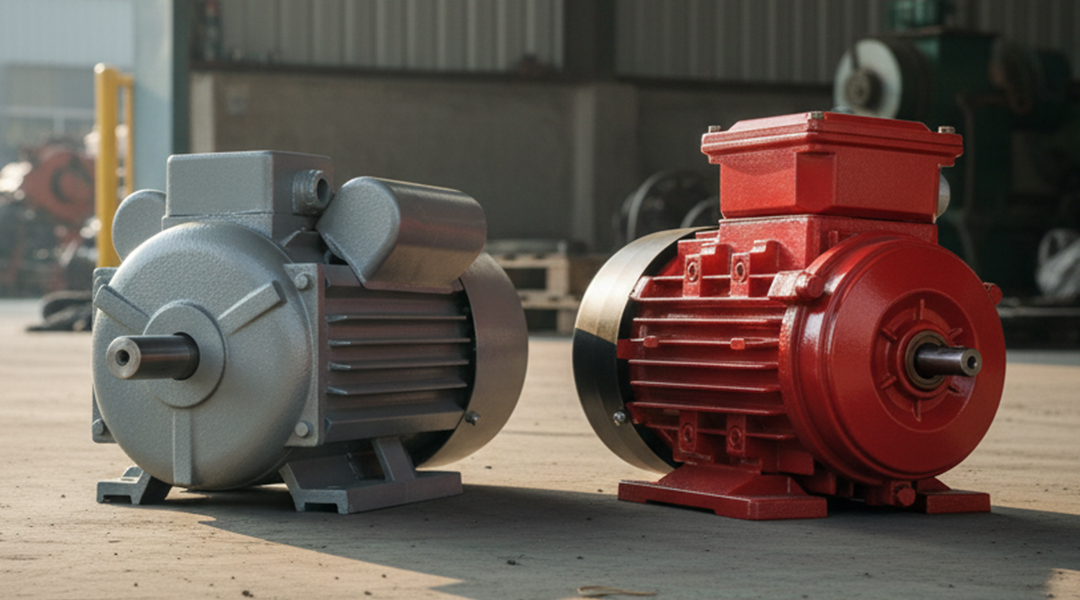
An electric motor—often referred to as a dynamo—is a device that converts electrical energy into mechanical motion. It is widely used in pumps, blowers, agricultural machines, industrial equipment, and household appliances.
Electric motors are popular because they are durable, low-maintenance, and highly energy-efficient compared to fuel-powered engines.
2. How Energy-Efficient Is an Electric Motor?
Modern electric motors typically deliver:
-
70–85% efficiency for small motors (≤1 HP)
-
85–95% efficiency for medium and large motors (≥3 HP)
This means almost all the incoming electrical energy is converted into mechanical power—making electric motors among the most energy-efficient power sources available.
Energy Savings Example
Consider a 1 HP motor (around 750 watts).
Electricity usage per hour:
0.75 kWh × $0.12 ≈ $0.09 per hour
(Or using local pricing: 0.75 kWh × Rp 1.700 ≈ Rp 1.275 per hour)
Compare this with a 1 HP gasoline engine consuming:
-
~0.5 liters of fuel per hour
-
0.5 × Rp 13.000 = Rp 6.500 per hour
➡️ An electric motor is approximately 5× cheaper to operate than a gasoline engine.
3. Factors That Determine Power Efficiency
a. Motor Capacity (Watt/HP)
Higher-capacity motors consume more electricity but often operate with higher efficiency.
b. Motor Type (Single Phase vs Three Phase)
-
Three-phase motors are more efficient, stronger, and more stable.
-
Single-phase motors are ideal for home use but consume more power for the same output.
c. Winding Quality
-
Pure copper windings provide the best efficiency.
-
Aluminum windings tend to waste more power and overheat.
d. Load Conditions
Motors are most efficient at 70–90% of their rated load.
Too heavy or too light a load reduces efficiency.
e. Maintenance
A clean, well-maintained motor with smooth bearings and good ventilation consumes less energy.
4. Energy Usage Comparison: Electric Motor vs Gasoline vs Diesel
| Engine Type | Energy Consumption | Operating Cost | Maintenance |
|---|---|---|---|
| Electric Motor | Lowest | Very cheap | Low |
| Gasoline Engine | Highest | Expensive | Medium |
| Diesel Engine | Lower than gasoline but higher than electric | Medium | High |
Conclusion:
➡️ If stable electrical power is available, electric motors are the most economical and efficient option.
5. How to Maximize Electric Motor Efficiency
✔ Choose the correct motor size
Oversized motors waste electricity; undersized motors overheat and fail faster.
✔ Ensure proper wiring and installation
Undersized wiring increases heat and energy loss.
✔ Use high-efficiency motors
Look for ratings like IE2, IE3, or “High Efficiency Motor”.
✔ Perform routine maintenance
-
Lubricate bearings
-
Clean ventilation paths
-
Inspect voltage and current regularly
✔ Use a VFD (Variable Frequency Drive)
A VFD can reduce energy consumption by 20–30% by optimizing motor speed.
6. Conclusion
Electric motors are one of the most energy-efficient mechanical power sources, offering up to 5× lower operating costs compared to gasoline engines.
By selecting the right motor, ensuring proper installation, and performing routine maintenance, you can significantly reduce electricity consumption and extend equipment lifespan.
Buy the Best machines at Istana Machineries
We understand your need for practical, economical, and durable machines. That’s why every product we offer has passed strict quality selection.
🔍 View all our products here:
👉 https://istanamachineries.com/produk
📞 Consult directly with our team:
Get the best machine recommendation for your specific needs.