
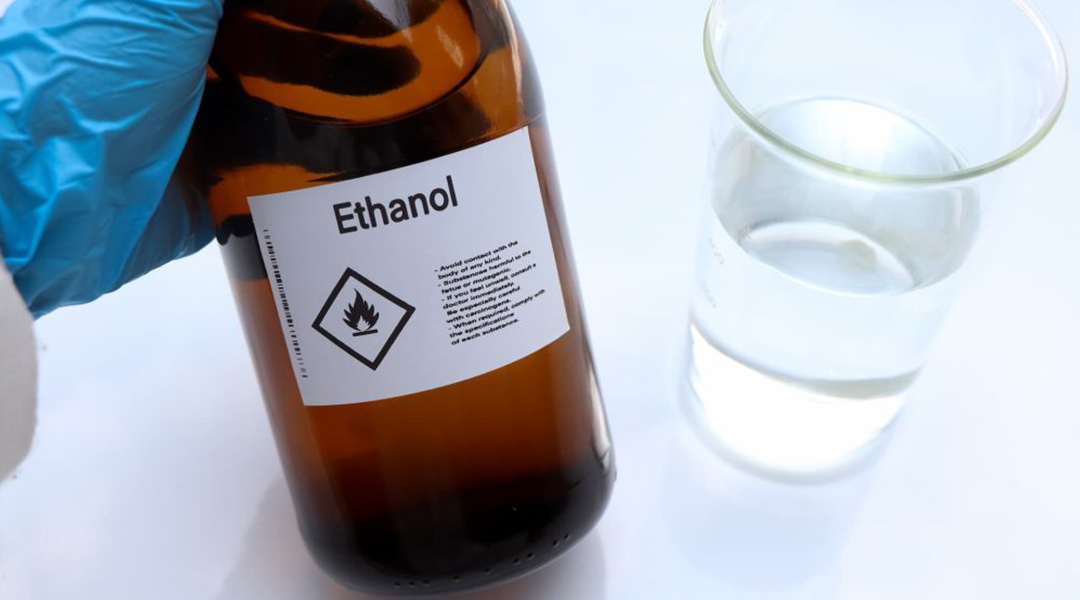
1. What Is Ethanol in Fuel and Why Is It Used?
Ethanol in fuel is a gasoline blend that contains alcohol (C₂H₅OH), typically made from fermented crops like sugarcane, corn, or cassava. It’s often added to reduce carbon emissions and promote renewable energy sources.
However, not all engines are built to handle ethanol blends. Older vehicles and agricultural engines can suffer from serious damage when frequently using high-ethanol fuels like E10 or E20.
2. Negative Effects of Ethanol in Fuel on Engines
The use of ethanol in fuel can lead to several hidden problems that impact performance and longevity:
-
⚙️ Metal Corrosion
Ethanol is hygroscopic, meaning it absorbs water from the air. When mixed with moisture, it can cause rust and corrosion in fuel tanks, injectors, and carburetors. -
🧰 Damage to Rubber Seals and Hoses
Ethanol can degrade rubber components such as seals, gaskets, and hoses, leading to fuel leaks and reduced engine efficiency. -
🔥 Hard Cold Starts
High-ethanol fuel has a lower volatility, making engines harder to start in cold temperatures — especially for older engines and agricultural machines. -
⛽ Higher Fuel Consumption
Ethanol has less energy per liter than pure gasoline, meaning your engine burns more fuel to produce the same amount of power.
3. Types of Engines Unsuitable for Ethanol
Certain types of engines are not designed to tolerate ethanol, such as:
-
Agricultural machines powered by pure gasoline (e.g., water pumps, mini tractors, sprayers).
-
Older vehicles (manufactured before 2010) without ethanol-compatible fuel systems.
-
General-purpose machines using traditional carburetor systems.
Using ethanol in fuel with these engines may shorten their lifespan and increase maintenance costs.
4. How to Prevent Damage from Ethanol
Use Fuel Stabilizer Additives
Adding a fuel stabilizer can reduce moisture absorption and prevent corrosion inside the fuel system.
Store Fuel Properly
Keep fuel in tightly sealed containers and away from humidity to minimize water contamination.
Perform Regular Maintenance
Clean fuel filters, inspect lines and tanks, and start engines periodically to avoid water settling at the bottom of the tank.
Choose Ethanol-Free Gasoline When Possible
For small engines and farm equipment, pure gasoline without ethanol is always the safest choice.
5. Conclusion: Be Smart About Using Ethanol in Fuel
While ethanol in fuel helps reduce carbon emissions, it can negatively affect engine components if used improperly.
For older vehicles and agricultural machinery, ethanol blends may accelerate corrosion, reduce performance, and shorten engine life.
Always follow the manufacturer’s fuel recommendations, store fuel correctly, and perform routine maintenance to ensure your engine runs efficiently and lasts longer.
Buy the Best machines at Istana Machineries
We understand your need for practical, economical, and durable agricultural tools. That’s why every product we offer has passed strict quality selection.
🔍 View all our products here:
👉 https://istanamachineries.com/produk
📞 Consult directly with our team:
Get the best machine recommendation for your specific needs.