
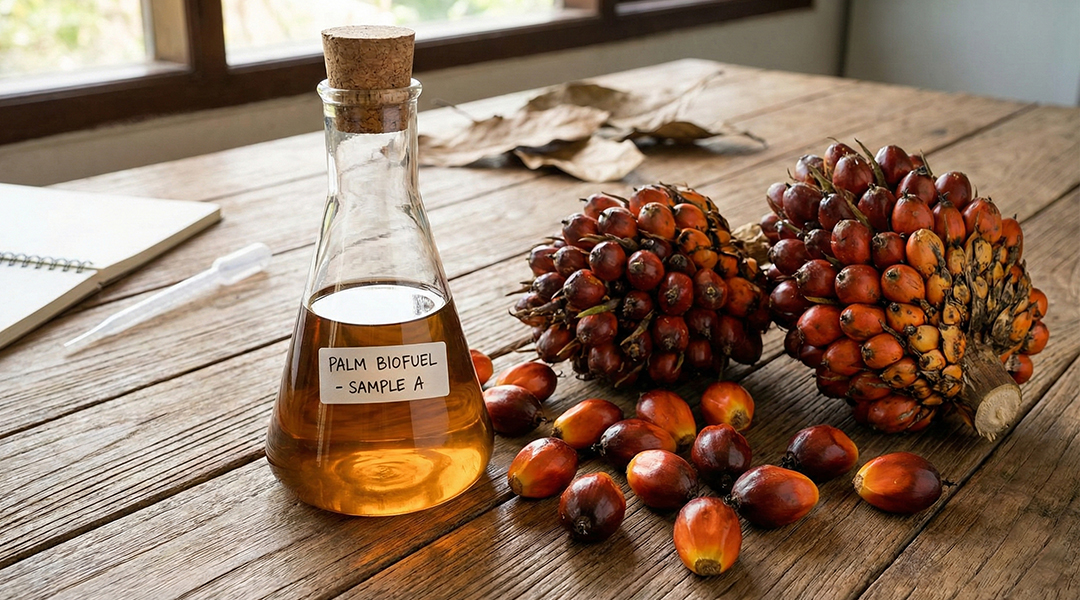
Indonesia’s Minister of Agriculture, Andi Amran Sulaiman, is actively encouraging the use of palm oil and sugarcane as key raw materials for the country’s green energy development. This initiative is seen as a strategic move to strengthen energy security, reduce dependence on fossil fuels, and increase value creation within the agricultural and plantation sectors.
Palm Oil and Sugarcane as Renewable Energy Sources
Indonesia holds a strong competitive advantage in palm oil and sugarcane production. Palm oil has long been utilized for biodiesel, while sugarcane serves as the main feedstock for bioethanol. Both commodities offer significant potential as renewable energy sources due to their domestic availability and their ability to absorb large numbers of workers across rural areas.
According to Minister Amran, developing green energy based on palm oil and sugarcane is not only about energy transition, but also about improving farmer welfare, strengthening downstream industries, and enhancing national competitiveness.
Downstream Processing as the Key Driver
This push aligns closely with the government’s broader downstream industrialization policy. By expanding palm oil processing into biodiesel and sugarcane into bioethanol, Indonesia can:
-
Increase domestic value added
-
Reduce fuel imports
-
Stabilize commodity prices for farmers
-
Create new jobs in processing and energy industries
Strengthening processing facilities and distribution infrastructure is considered essential to ensure that agriculture-based green energy can operate efficiently and sustainably.
Supporting Indonesia’s Energy Transition
The utilization of palm oil and sugarcane for green energy also supports Indonesia’s energy transition and carbon emission reduction goals. Biodiesel and bioethanol are widely regarded as capable of lowering greenhouse gas emissions compared to conventional fossil fuels, provided that sustainability standards and responsible land management practices are upheld.
With its vast production capacity, Indonesia has the opportunity to become a regional leader in agriculture-based renewable energy in Asia.
Challenges and Future Focus
Despite its strong potential, the development of green energy from palm oil and sugarcane still faces several challenges, including:
-
Improving land and crop productivity
-
Ensuring access to modern processing technology
-
Regulatory certainty and investment incentives
-
Environmental and sustainability considerations
The government continues to encourage collaboration between farmers, industry players, and investors to ensure balanced progress across economic, environmental, and social dimensions.
Conclusion
Minister Amran Sulaiman’s push to position palm oil and sugarcane as green energy resources reflects a broader transformation of Indonesia’s agricultural sector — from food production alone to a strategic pillar of future energy supply. With the right policies and industrial support, these commodities could play a vital role in achieving national energy independence.
Buy the Best machines at Istana Machineries
We understand your need for practical, economical, and durable machines. That’s why every product we offer has passed strict quality selection.
🔍 View all our products here:
👉 https://istanamachineries.com/produk
📞 Consult directly with our team:
Get the best machine recommendation for your specific needs.